What is CAPTCHA?
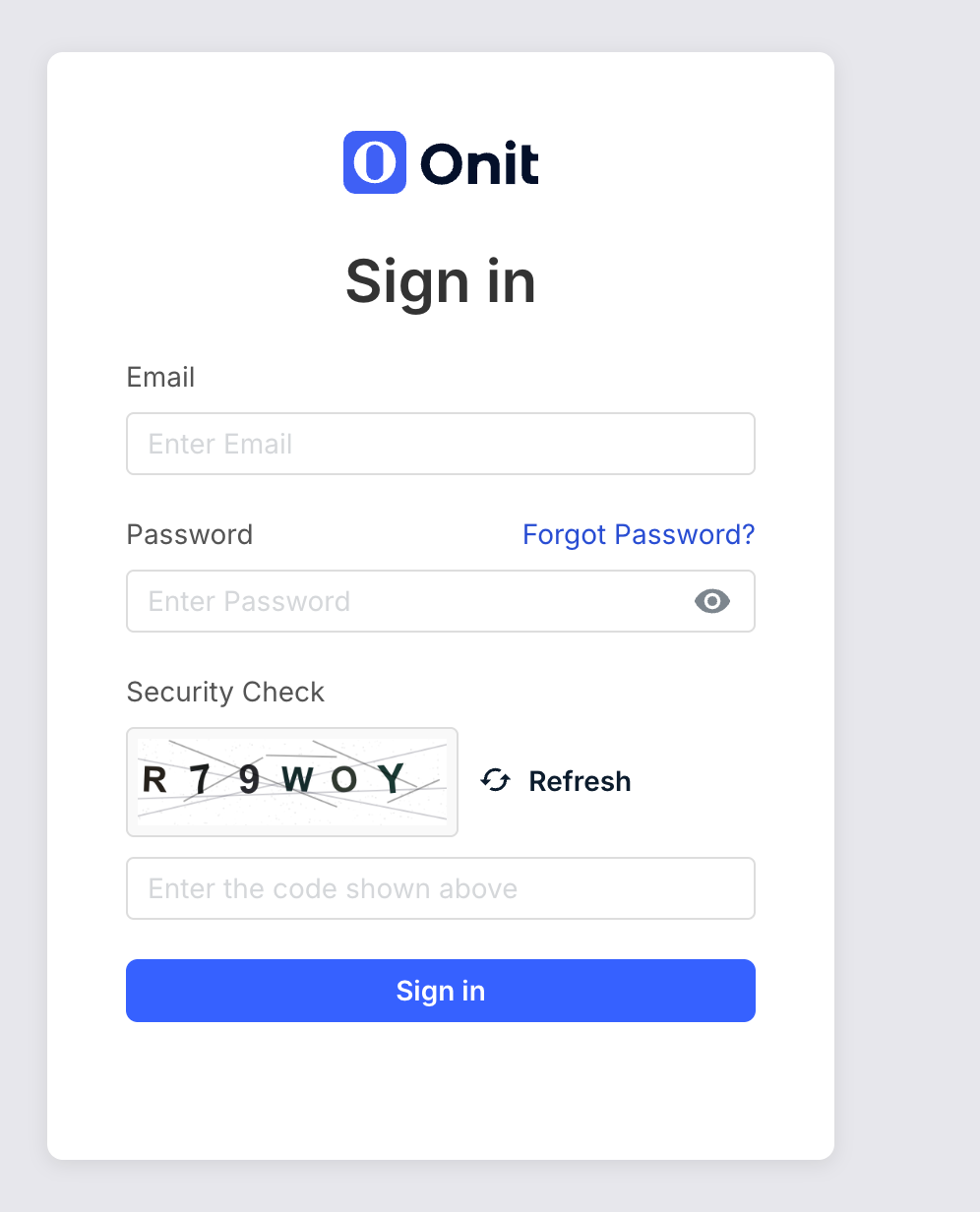
CAPTCHA stands for "Completely Automated Public Turing test to tell Computers and Humans Apart." In simpler terms, it's a test that helps us determine whether a user is a real person or a computer program pretending to be one. You may have encountered these tests as distorted letters, image selections, or simple math questions. These tests are easy for humans to solve but difficult for computer programs, providing an extra layer of security.
Why do we need CAPTCHA?
In an era where information is highly valuable, it's crucial to maintain high security standards, especially in the legal field, where sensitive information is often exchanged. Some computer programs are designed to impersonate real users for unauthorized activities, such as gaining access to accounts and data. CAPTCHA serves as an initial barrier against such unauthorized activities by ensuring that only genuine human users can proceed.
Industry standard
CAPTCHA isn't a random feature; it's an industry-standard security measure. By incorporating CAPTCHA, Counsel Exchange aligns with best practices in cybersecurity, ensuring we're doing our utmost to protect you and your data.
Benefits
- Enhanced Security: CAPTCHA acts as a security filter, only allowing real people to proceed.
- Data Integrity: With fewer unauthorized activities, you can trust that your data remains uncompromised.
- Reduced Spam: CAPTCHA tests help minimize unwanted submissions in interactive sections of the platform.
Impact on users
For the typical Counsel Exchange user, encountering a CAPTCHA test has minimal impact. It takes a few extra seconds to complete the test, which is a small price to pay for the added layer of security it provides.
Conclusion
At Counsel Exchange, security is a top priority. CAPTCHA is one of many measures we use to protect our platform and your data. We understand that the legal profession demands the highest levels of confidentiality and security, and we're committed to delivering just that. Thank you for entrusting us with your work; we take that responsibility seriously. For any further questions or concerns, please contact our support team.